Sunday, April 19, 2026
02:11:34 PM UTC+3 - Addis Ababa

Sunday, April 19, 2026
02:11:34 PM UTC+3 - Addis Ababa
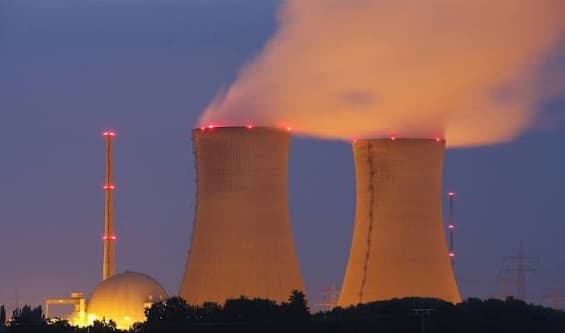
The collaboration between the Ethiopian Nuclear Energy Commission and the United Nations Development Programme represents a major leap toward energy diversification. Chief Commissioner Sandokan Debebe and UNDP representative Samuel Gbaydee Doe have outlined a roadmap that focuses on the "peaceful application" of nuclear science, ensuring that the program remains transparent and aligned with international safety standards.
This partnership is not just about building reactors; it is about creating the legal and institutional frameworks necessary to manage nuclear technology safely while integrating it into the "Digital Ethiopia 2030" strategy.
The drive for nuclear energy is fueled by a need to augment Ethiopia’s heavy reliance on the Grand Ethiopian Renaissance Dam and other hydroelectric sources, which can be vulnerable to seasonal climate fluctuations.
By introducing nuclear power into the national grid, Ethiopia seeks a "baseload" power source that can sustain rapid industrialization. Furthermore, the partnership extends into social sectors. In healthcare, nuclear isotopes will be used to enhance cancer diagnosis and radiotherapy. In agriculture, the technology will be applied to soil management and pest control, helping to secure the nation’s food supply while training a new generation of Ethiopian nuclear scientists and engineers through UNDP-supported capacity-building programs.
0 Comments
No comments yet. Be the first to comment!