Wednesday, March 25, 2026
04:08:51 AM UTC+3 - Addis Ababa

Wednesday, March 25, 2026
04:08:51 AM UTC+3 - Addis Ababa
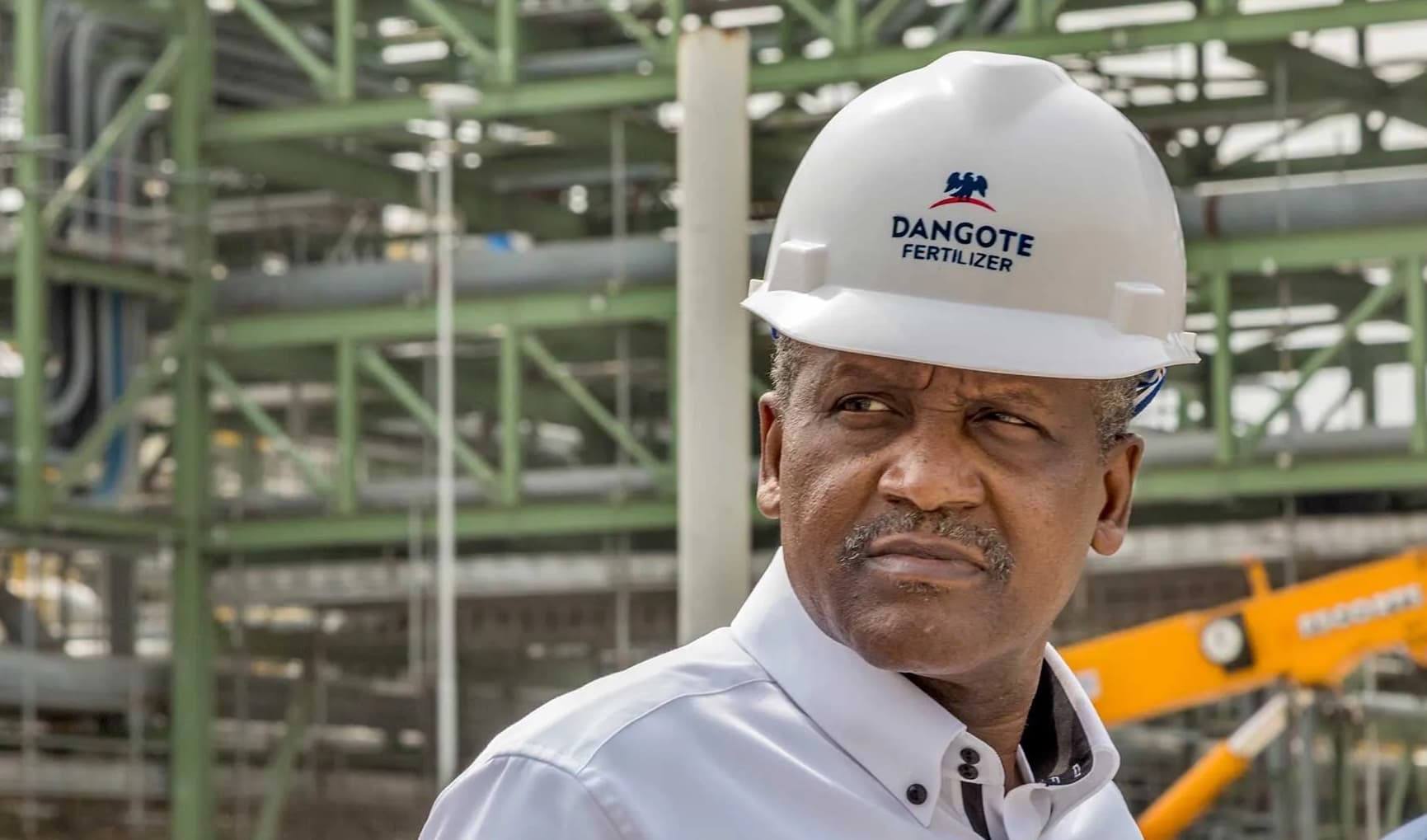
Nigerian billionaire Aliko Dangote has fundamentally altered the economic trajectory of East Africa by securing a massive USD 4.2 billion long-term gas supply agreement with China’s GCL Group. This monumental deal serves as the energy backbone for a colossal fertilizer complex in Ethiopia and marks one of the most ambitious industrial undertakings the continent has ever seen. Spanning a twenty-five-year horizon, the agreement ensures a relentless flow of natural gas to feed a facility designed to churn out three million tonnes of urea every single year.
This project represents the cornerstone of Ethiopia’s Homegrown Economic Reform Agenda because the government aims to slash a crippling trade deficit currently weighed down by the massive cost of importing agricultural inputs. The state-run Ethiopian Investment Holdings has entered into a joint venture with the Dangote Group to oversee the USD 2.5 billion construction of the plant with a target completion date of 2029. By producing fertilizer domestically, Ethiopia plans to insulate its farmers from the volatile price swings of the global market and save hundreds of millions of USD in foreign exchange reserves annually.
The logistics of the deal are as impressive as the price tag since the natural gas will be extracted from the Calub fields within the Ogaden Basin in eastern Ethiopia. This gas will be kept within the country's borders to drive value rather than being shipped abroad as a raw commodity. Such a strategic move aligns perfectly with Ethiopia’s broader Vision 2030 goals of becoming a lower-middle-income nation through aggressive industrialization. By leveraging GCL Group’s technical prowess and Dangote’s industrial scale, the partnership demonstrates a maturing China–Africa relationship that prioritizes infrastructure that directly feeds the continent.
Once the turbines start spinning and the urea begins to ship, the impact on regional food security will be profound. Analysts view this USD 4.2 billion energy commitment as the missing link that finally connects Ethiopia’s vast untapped energy reserves with its desperate need for agricultural productivity. By turning the Ogaden Basin’s gas into liquid gold for the soil, the deal sets a new blueprint for how African nations can utilize domestic resources to build a self-sustaining manufacturing future.
0 Comments
No comments yet. Be the first to comment!